How to Choose the Perfect Color Palette for Your Home


Choosing the perfect color palette for your home can be both exciting and daunting. The colors you select set the tone for your living space and reflect your personality. Whether you're starting from scratch or refreshing a room, the right palette can transform your home.
Understanding Color Basics
Before diving into specific colors, it's essential to understand the basics of color theory. The color wheel is a great tool to help you see how colors relate to each other. Familiarize yourself with primary, secondary, and tertiary colors, and explore the concepts of warm and cool tones.

The Psychology of Color
Colors have a psychological impact, influencing mood and atmosphere. For instance, blues and greens are often calming, making them ideal for bedrooms. On the other hand, reds and oranges can create energy, perfect for social spaces like living rooms or kitchens.
Consider Your Space and Lighting
The size and lighting of a room play a crucial role in color selection. Small spaces benefit from lighter shades, which can make them appear larger, while larger rooms can handle darker, more dramatic tones. Natural and artificial lighting will also affect how colors look at different times of the day.

Testing Colors
Before committing, test different shades in your space. Paint samples or swatches can help you see how various colors will look in your lighting. Consider painting a small section of a wall or using temporary peel-and-stick samples.
Creating a Cohesive Palette
For a harmonious look, consider a cohesive color palette throughout your home. Choose a dominant color and complement it with secondary and accent colors. This approach ensures a smooth transition from room to room.

Using Neutrals and Accents
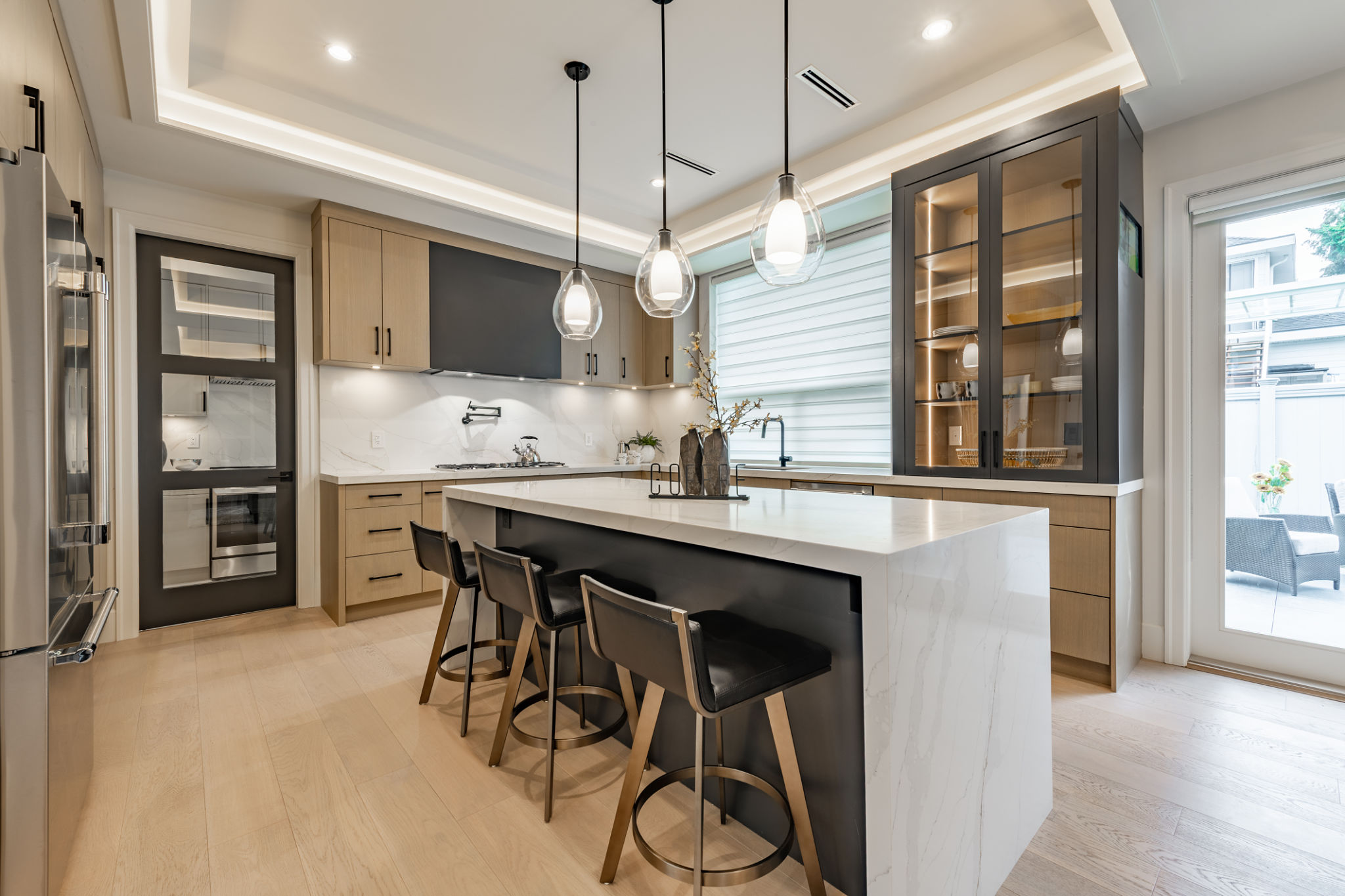
Neutrals like whites, grays, and beiges provide a timeless backdrop and allow accent colors to pop. Use bold colors sparingly to create focal points or highlight architectural features.
Personalizing Your Space
Your home should reflect your personal style. Incorporate colors that resonate with you and your family. Consider your favorite hues and how they can be integrated into different elements, such as furniture, art, and accessories.
Staying Flexible
Trends change, and so might your taste. Choose a base palette that offers flexibility, allowing you to update your space with new colors through accents and small decor changes as needed.
By understanding color theory, considering your space, and reflecting on personal preference, you can create a stunning color palette that makes your home feel uniquely yours.